ALS research wins big bucks with $313M in new US government funding
I AM ALS campaign now nearly one-third of way to $1 billion goal
Written by |
- I AM ALS has secured $313 million in new federal funding for ALS research and treatment access.
- This helps bring the nonprofit's Push for Progress campaign more than one-third of the way toward its $1 billion goal.
- Advocates are urging reauthorization of ACT for ALS, legislation to boost research and treatment access for people with the progressive disease.
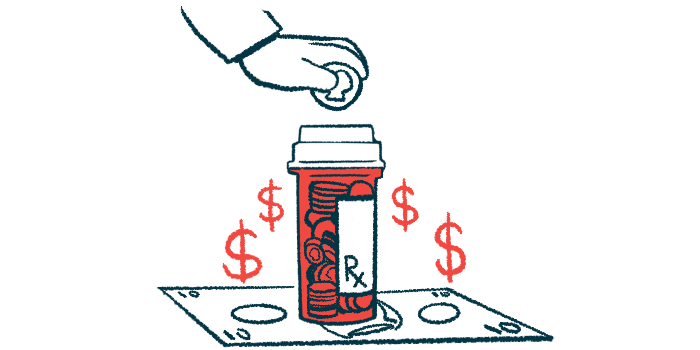
The U.S.-based advocacy group I AM ALS has secured $313 million in new federal funding for Push for Progress, an effort the nonprofit launched in late 2025 to accelerate research and expand access to treatments for amyotrophic lateral sclerosis (ALS).
In a press release announcing the new U.S. government funding, I AM ALS called the allotment’s award a “major milestone in its Push for Progress campaign.”
With this latest investment from the 2026 federal budget, the three-year campaign is now nearly one-third of the way toward its $1 billion goal, the organization stated.
Since its founding in 2019, I AM ALS has helped secure more than $1.6 billion for federal ALS research funding, marking a significant increase for a disease it says is long underfunded and overlooked.
“I AM ALS continues to push for faster infusion of dollars and [to] make treatments accessible,” the release stated.

The announcement came ahead of a new report from the U.S. Government Accountability Office (GAO) reviewing the Accelerating Access to Critical Therapies for ALS Act (ACT for ALS), which was signed into law in 2021 to boost federal investment in ALS research and expand access to experimental treatments.
Legislation allowing funding will expire this year
The legislation is set to expire in 2026, but I AM ALS and other ALS organizations nationwide are urging lawmakers to reauthorize the law.
According to the GAO, since the bipartisan legislation was passed in 2021, Expanded Access Programs (EAPs) have significantly increased the number, geographic reach, and diversity of people with ALS able to access investigational therapies. EAPs, also known as compassionate use programs, allow patients to receive an investigational therapy outside clinical trials.
These programs are also helping prepare more clinics to participate in research, which could expand the number of future clinical trial sites, according to advocates.
The report further found that the expanded access efforts are generating high-quality data, including from people who are often excluded from clinical trials. Such data may help inform more inclusive and effective trial designs.
In addition, the ACT for ALS public-private partnership has improved coordination between the National Institutes of Health and the U.S. Food and Drug Administration, while supporting the development of a centralized ALS data portal designed to promote open science and accelerate discoveries.
While noting the law’s “incredible value for patients and the research sector,” the GAO said stronger coordination, transparency, and timely execution will be needed to fully achieve its goals.

Advocating for more ALS research funding
I AM ALS said it will continue advancing the Push for Progress campaign alongside advocates nationwide, urging lawmakers to maintain and expand federal investments until effective treatments are developed.
The nonprofit is also working to bolster the ranks of the U.S. House and Senate ALS Caucuses, which aim to “bring together members of Congress from both sides of the aisle to share experiences, exchange ideas, and work collaboratively to find a cure for ALS.” More information about I AM ALS’s work can be found on its website.