In ALS model, reducing protein ‘blunts toxicity’ of human TDP-43
Lowering RAD23A shown to improve survival, function in mice in study
Written by |

- ALS is driven by toxic TDP-43 protein clumps that damage nerve cells.
- Reducing levels of a protein called RAD23A helped cells better handle such accumulation, improving survival in an ALS mouse model.
- The researchers say targeting RAD23A could be a promising therapeutic strategy for ALS.
Partially lowering levels of the protein RAD23A can help nerve cells better handle toxic TDP-43 protein clumps, improving survival and function in a mouse model of amyotrophic lateral sclerosis (ALS), a study found.
The approach reduced the buildup of misfolded proteins, restored the cell’s protein cleanup machinery, and slowed disease progression in mice engineered to develop brain and spinal cord damage driven by TDP-43 clumps.
“Reducing the abundance of RAD23A blunts the toxicity of human TDP-43,” the researchers wrote, noting that lowering these levels resulted in “beneficial effects on lifespan [and] motor behavior” in the mice.
Further study is needed to determine if these benefits translate to people with ALS, but the team noted that “targeting RAD23A may have therapeutic potential.”
The study, “Reduction of RAD23A extends lifespan and mitigates pathology in a mouse model of TDP-43 proteinopathy,” was published in the journal Nature Communications.

A hallmark of many neurodegenerative diseases is the abnormal folding and aggregation, or clumping, of certain proteins. In ALS, nearly all patients — about 97% — have clumps of the TDP-43 protein.
Researchers say clumps of misfolded proteins drive diseases like ALS
This protein is normally found in the nucleus, the cell’s control center, where DNA is stored. It normally helps process RNA molecules that carry genetic instructions into the cells’ protein-making machinery. But in nerve cells from ALS patients, TDP-43 moves out of the nucleus and accumulates in the cytoplasm, or the liquid outside the nucleus, where it forms toxic clumps.
“In all neurodegenerative diseases, there is an accumulation of misfolded proteins,” Robert Kalb, MD, director of the Les Turner ALS Center at Northwestern University in Illinois, who led the study, said in a university news story. “We think that these misfolded proteins are a target for disease — the disease is actually driven by the accumulation of these misfolded proteins.”
Earlier studies have suggested that removing a protein called RAD23 could reduce the toxic effects of TDP-43 clumps. RAD23 normally helps deliver damaged or unwanted proteins to the proteasome, the cell’s main protein-degrading system.
In this study, researchers tested whether lowering RAD23 could ease disease signs in a mouse model of neurodegenerative disease caused by TDP-43 protein clumps.
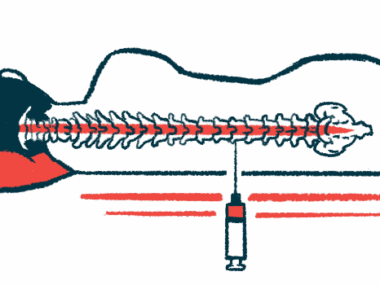
To do this, the team used antisense oligonucleotides (ASOs), short strands of genetic material, to lower RAD23A in newborn mice. Injecting the ASOs into the brain reduced RAD23A levels by as much as 80% without affecting its closely related protein, RAD23B, showing the treatment was both effective and specific.
The researchers then studied TAR4 mice, which produce about twice the normal amount of human TDP-43 and develop brain and spinal cord abnormalities similar to those seen in ALS. Mice with reduced RAD23A lived longer, showed better movement, and developed symptoms more slowly than untreated animals.
“When we administered ASOs to this mouse model of disease, we found this really robust effect on survival, behavior and rescued cell death,” Kalb said. “I’m interested in the RAD23A biology, but I also see a potential pathway for therapeutics here using RAD23A-targeting ASOs.”
The research team noted that complete deletion of RAD23A from birth did not further extend lifespan in the animals. This suggests that some level of the protein may be needed for normal cellular balance, or that lifelong absence triggers compensatory changes. In contrast, lowering RAD23B worsened the disease, shortening lifespan in a dose-dependent manner.

RAD23A emerges as promising therapeutic target
Reducing RAD23A also eased signs of brain damage. Treated mice had more surviving nerve cells, fewer reactive astrocytes and microglia — support cells that become overactive in neurodegenerative disease — and reduced activation of cell death pathways.
Because TDP-43 normally regulates RNA, the researchers also examined gene activity. Thousands of genes were abnormally switched on or off in diseased mice, but reducing RAD23A reversed many of these changes, restoring gene activity toward normal.
At the protein level, lowering RAD23A reduced overall TDP-43 levels, particularly the toxic forms that accumulate outside the nucleus. Insoluble, clumped TDP-43 and a harmful breakdown fragment were reduced by at least half, even though levels of TDP-43 RNA were unchanged.
Because TDP43 is so prevalent in neurodegenerative diseases, this approach has the potential to have a broad beneficial effect.
The findings suggest that RAD23A influences how well cells can clear misfolded proteins. In diseased mice, damaged proteins tagged for disposal accumulated, indicating impaired protein clearance. But reducing RAD23A lowered this buildup and improved proteasome activity, allowing cells to clear waste more effectively.
Overall, the results point to RAD23A as a promising therapeutic target for ALS and other diseases driven by TDP-43 protein buildup. However, further studies will be needed to determine whether this approach can be safely translated to people.
“In neurodegenerative diseases, essentially every rock that you look under, you’ll find an abnormality,” Kalb said. “Because TDP43 is so prevalent in neurodegenerative diseases, this approach has the potential to have a broad beneficial effect.”