
Guest Voice: Navigating a new life after my husband’s death from ALS
Coming home to an empty house continues to be a struggle
Written by |
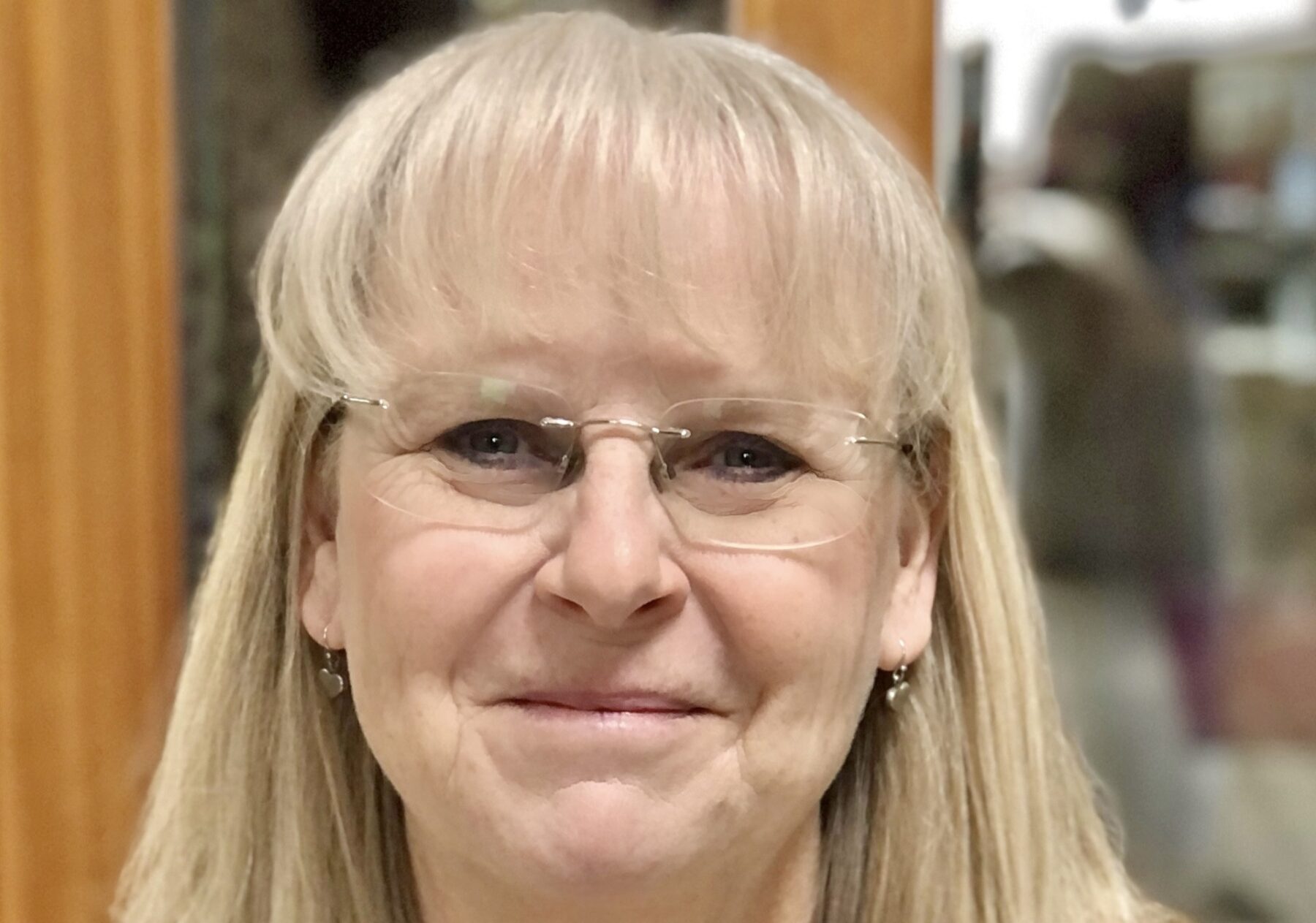
After her husband died from ALS and the funeral ended, Anita Newton had to adapt to life on her own. (Courtesy of Anita Newton)
So what happens now? All of a sudden, I was on my own, left to navigate my world, which had changed forever.
I was restless, not quite knowing what to do with myself or how to fill my time. I’d just spent the last two years fully focused on my husband, Craig, following his ALS diagnosis. He needed 24/7 care for the last six months of his life and died in April 2022.
I was so tired, but now that I had time to sleep, I couldn’t. I was trying to sleep on the sofa downstairs because I couldn’t face the thought that Craig wasn’t in the bedroom upstairs. I couldn’t stop thinking, couldn’t stop my muscle memory. Every time I heard a noise, I would start to get up to see what he needed. Then I’d remember he wasn’t there.
In the days after Craig’s death, I felt like I was in someone else’s body, going through the motions. I was watching from the sidelines, every now and again coming into the present to deal with something. I was surprised by some of the things that needed to be done, like having the death registered within a certain time, informing everyone who needed to know, and so on. No one close to me had died before, so I wasn’t prepared for the bureaucracy.
Then there was the funeral or celebration of life to organize. Luckily, Craig and I had discussed what he wanted, so I didn’t have to try to guess what he would have liked. I would strongly suggest creating an end-of-life plan, as hard as it might be, because it does make it easier for those left behind.

Finding my new normal
After the relatives had gone and the funeral was over, the house was empty. I was left on my own to find my new normal, having to wrap my head around the fact that Craig wasn’t here anymore. I struggled to make it real, still thinking he’d call for me or I’d walk into the room and see him.
I didn’t want to do much. I didn’t have the energy or desire for anything, but someone told me that if you are invited out after losing a loved one, you should always go. I don’t remember who it was, but it was good advice. Even if I didn’t want to go, I made myself. I didn’t really have the energy to say no. It distracted me for a short while and helped me feel almost normal again — until I had to go home to an empty house.
Honestly, I still struggle with this. Whenever I go away, I still find it hard when there’s no greeting and hug when I return home. I don’t have anyone to share my adventures with, someone to talk about my day with, someone who takes an interest in me.
Slowly, very slowly, I started to survive the day, to manage my grief and reenter the world. I set small goals for myself by writing lists of the mundane things that needed to be done, like doing the washing, changing the linens, or cutting the grass. I chose at least one item on the list to do the next day. Having some structure in the day, however small, helped me cope. Otherwise, I felt adrift and didn’t know what to do with myself. I’d lose direction and flounder.
My garden was also a savior for me. That was always my domain, which Craig left to me. I could be out there puttering or sitting with a book, and it felt normal for a while. It’s difficult to explain, but after Craig died, I felt comforted outside. When I came back in, I was reminded of my loss.
I used to talk to Craig as if he were still here. I’d say goodnight to him and tell him I loved him. I still do this.
If you’ve lost a loved one with ALS, give yourself time to grieve and come to terms with your new situation. There is no limit on how long it takes to cope and start rebuilding.
To submit your own Guest Voice for publication on ALS News Today, please email your idea to our columns manager at [email protected] with the following included in the subject line: “Guest Voice: ALS News Today.”
Note: ALS News Today is strictly a news and information website about the disease. It does not provide medical advice, diagnosis, or treatment. This content is not intended to be a substitute for professional medical advice, diagnosis, or treatment. Always seek the advice of your physician or other qualified health provider with any questions you may have regarding a medical condition. Never disregard professional medical advice or delay in seeking it because of something you have read on this website. The opinions expressed in this column are not those of ALS News Today or its parent company, Bionews, and are intended to spark discussion about issues pertaining to ALS.

Kim
Anita, I wanted to thank you for writing and sharing your experience. You are ahead of me in the process. I’m not yet 2 months without my husband whose name was also Craig. I can tell we probably have quite a bit in common just from reading your prior writing. I want you to know that taking the time to write is making a difference for someone and it’s very much appreciated.
Barbara Connolly
I too lost my husband to ALS on his 80th birthday, June 15, 2021, only 5 weeks after his diagnosis which was more complicated given the fact that he had major back surgery only 6 months prior at Mayo Clinic. When he wasn’t “thriving” after surgery, that’s when all the many tests were done to find the cause with the very painful definitive test EMG being the last. I felt many of the same feelings as Anita Newton and could really empathize with her text.