ALS nerve damage can occur without TDP-43 protein clumps: Study
They have been considered a key molecular driver of the disease
Written by |
- ALS nerve damage can occur from a TDP-43 mutation (M337V).
- This damage happens without TDP-43 protein clumps, challenging prior beliefs.
- The mutation impairs nerve cell viability, transport, and energy production.
A specific alteration in the TDP-43 protein can reduce the viability of nerve cells in a lab model of amyotrophic lateral sclerosis (ALS), causing problems with energy generation and molecular transport within the cell, a new study finds.
Notably, however, researchers found that this mutation does not cause TDP-43 protein to form abnormal clumps in nerve cells — suggesting that these clumps, which have been considered a key molecular driver of ALS, are not always necessary to cause disease.
The study, “Mutant TDP-43 drives impairments in axonal transport and glycolysis in a mouse stem-cell-derived motor neuron model of amyotrophic lateral sclerosis (ALS),” was published in Cell Death & Disease.

In ALS, TDP-43 found outside nucleus, where it forms toxic clumps
ALS is marked by the degeneration and death of motor neurons, the nerve cells that control voluntary movement. The exact causes of ALS are not fully understood, but almost all cases of the disease are marked by abnormalities in the TDP-43 protein.
TDP-43 is normally located in the nucleus, the cellular compartment that houses DNA. But in the motor neurons of people with ALS, TDP-43 is found outside the nucleus, where it forms toxic protein clumps. These clumps have long been thought to play a key role in driving the disease.
In most ALS patients, the TARDBP gene, which codes for the TDP-43 protein, is not mutated. But certain mutations in this gene are known to cause ALS in a minority of cases.
To better understand how these mutations may lead to ALS, a team led by scientists at the University of Oxford, in the U.K., created a model of motor neurons carrying either the healthy version of the TARDBP gene or a specific ALS-causing mutation in that gene called M337V, which results in a single change in the protein’s sequence.
The scientists extensively characterized how the M337V mutation altered motor neuron activity in their model, aiming to gain deeper insights into the biological underpinnings of the disease.

M337V mutation did not cause TDP-43 to move out of the nucleus
The data showed that motor neurons with the M337V mutation had reduced viability — in other words, the cells were more likely to die than healthy motor neurons.
Unexpectedly, however, the researchers found that the M337V mutation did not cause TDP-43 to move out of the nucleus. In fact, levels of the protein in the nucleus were similar in cells carrying the mutation or the healthy version of the gene. There was also no evidence of TDP-43 forming clumps outside of the nucleus.
These data suggest “that mislocalisation may not be driving cellular dysfunction in this model,” the researchers wrote.
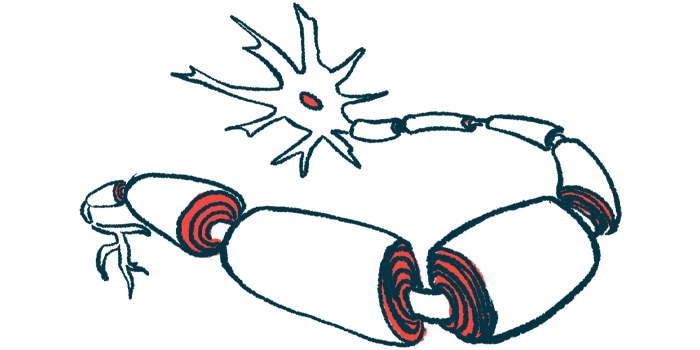
Nerve cells contain long, wire-like structures called axons, which are used to send electrical signals to other cells. Under normal circumstances, molecular cargo is constantly being shipped up and down the axon to regulate nerve activity. The researchers found that this axonal transport was disrupted in motor neurons harboring the M337V mutation.
Motor neurons with the mutation also had impaired glycolysis, a process in which sugar is burned to create energy for the cell. Notably, glycolysis does not require the activity of mitochondria, the so-called powerhouse of the cell, though mitochondria can use byproducts of glycolysis for further energy production. The researchers found that the M337V mutation did not markedly alter mitochondrial energy production.
“We find that low-level expression of the TDP-43 M337V mutation is sufficient to impair cellular viability, axonal transport, and glycolysis,” the researchers concluded. “As these [cellular defects] occur without evidence of TDP-43 mislocalisation or aggregation, our findings suggest that overt TDP-43 mislocalisation is not a prerequisite for cellular dysfunction in this model.”