
Common viral infections may lead to faster ALS progression, study suggests
Microglia blockers and antiviral medications lessened symptom severity
Written by |
- Common viral infections like influenza and COVID-19 may accelerate symptom onset and disease progression in ALS, a study suggests.
- Spinal cord immune cells enter a primed inflammatory state following viral exposure, worsening neurodegeneration.
- Targeting microglial activation with specific blockers or administering antiviral medications can successfully lessen symptom severity.
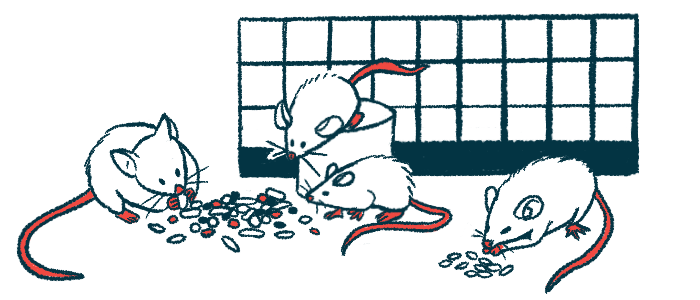
Common viral infections such as influenza and COVID-19 may accelerate the onset and progression of amyotrophic lateral sclerosis (ALS), a new mouse study suggests.
“In our pre-clinical models, just one viral infection was enough to significantly accelerate ALS progression, even after the infection itself had resolved,” Art Marzok, PhD, co-author of the study at McMaster University in Canada, said in a university news story.
Marzok and colleagues found that, following an infection, immune cells in the spinal cord become primed into an inflammatory state, which likely contributes to worse disease progression. Indeed, researchers found that treatments to block the activity of microglia — a key type of immune cell in the central nervous system — during an acute viral infection could slow the progression of symptoms in ALS mice. Treatment with an antiviral medication after infection led to similar benefits.
“These findings strongly suggest that viral infections — and the inflammatory responses that they trigger — may fundamentally influence the course of the disease,” Marzok said.
The study, “Acute viral infection accelerates neurodegeneration in a mouse model of ALS,” was published in Nature Communications.
Symptoms emerged earlier in infected mice
ALS is a neurological disorder that causes muscle weakness and eventual paralysis. The disease is progressive, meaning that symptoms usually worsen over time. However. the rate at which ALS symptoms worsen can vary considerably from person to person, and the reasons for this variation are not well understood.
“ALS is a debilitating and incurable disease, so it’s critical that we improve our understanding of the common environmental factors that can hasten its onset and accelerate its progression,” said Matthew Miller, PhD, lead author and a professor at McMaster. “Understanding what triggers or accelerates the disease could illuminate new strategies for slowing or even stopping it.”
Inflammation refers to activation of the immune system. When a person has a viral infection, the immune system triggers an inflammatory response to fight off the infection. But runaway inflammation has also been implicated in the progression of ALS.
In this study, researchers wondered whether a recent viral infection — and the inflammation that accompanies the infection — might influence ALS onset and progression.
Taken together, these data demonstrate that a single, acute, sublethal [influenza] infection during the pre-clinical stages of ALS significantly accelerates disease progression.
To find out, the scientists conducted a series of experiments in a mouse model of ALS caused by mutations in the SOD1 gene. Prior to the onset of ALS symptoms, the mice were infected with a common strain of influenza, which causes the common flu.
Even though the infection itself resolved prior to the onset of ALS symptoms, symptoms emerged earlier in mice who had been infected with influenza compared with mice who had not been infected. The disease also progressed faster, with infected mice more quickly reaching the point that their hind legs were completely paralyzed.
“Taken together, these data demonstrate that a single, acute, sublethal [influenza] infection during the pre-clinical stages of ALS significantly accelerates disease progression,” the researchers wrote.

Immune activation alone may influence disease progression
Plausibly, the influenza virus itself might cause damage that worsens ALS progression. However, a series of experiments suggested that this is not the case — in fact, the researchers found that ALS progression was accelerated even when mice were infected with an inactivated influenza virus that was incapable of causing damage, but could still trigger an inflammatory immune response.
“These findings suggest that peripheral immune activation alone, independent of active viral replication, may be sufficient to influence ALS disease progression,” the researchers wrote.
Further tests showed that influenza infection triggered gliosis — the activation of microglia and other cells in the brain and spinal cord, which occurs in response to inflammation or tissue damage. But treatment with minocycline, a drug that inhibits microglial activation, during the active infection slowed the progression of symptoms in ALS mice. Minocycline did not prolong survival, however.
Treating mice with an antiviral drug during the acute infection produced similar results as treatment with minocycline: symptom progression was lessened, but survival was not significantly affected. This implies that public health initiatives to prevent infections such as influenza might lead to benefits for long-term nerve health, the researchers noted.
“Developing better vaccines and antiviral therapies — and improving the public’s trust in them — could have health benefits that we don’t fully appreciate,” Miller said. “Our work here suggests that preventing or limiting common infections could at the same time protect your nervous system from the damage that accelerates ALS.”
Although most of their experiments focused on influenza, the researchers also conducted some tests using SARS-CoV-2, the virus that causes COVID-19. Results were broadly consistent, indicating that different types of viral infections all may similarly contribute to ALS progression.
The scientists stressed, however, that this study was limited to one mouse model of ALS, so they called for further work to see if the same mechanisms apply in other models of the disease.


Leave a comment
Fill in the required fields to post. Your email address will not be published.