
FDA puts experimental T-cell treatment for ALS on fast track
CK0803 targets nerve inflammation to slow down disease progression
Written by |

- The FDA granted fast-track designation to CK0803, an experimental T-cell therapy currently in testing for ALS.
- ALS patients often suffer from reduced and less effective regulatory T-cells, driving excessive neuroinflammation.
- CK0803 targets inflammation in the brain and spinal cord, aiming to slow disease progression.
The U.S. Food and Drug Administration (FDA) has granted fast-track designation to CK0803, an experimental T-cell therapy from Cellenkos that’s currently in Phase 1 clinical testing for people with amyotrophic lateral sclerosis (ALS).
The designation aims to accelerate the clinical development and regulatory review of new treatments that could address unmet medical needs in serious diseases. It offers incentives to developers, including more frequent communication with the FDA and access to rolling review, which means that parts of a regulatory application can be submitted as they are ready, rather than requiring the full package to be completed before filing for regulatory approval.
If certain criteria are met, the therapy could also be eligible for accelerated approval and priority review, which are other mechanisms that can help expedite the therapy being brought to market.
“This designation allows us to work more closely with the FDA as we advance CK0803, with the goal of bringing a meaningfully different treatment option to a disease where median survival remains just two to three years from symptom onset and no therapy substantially alters the underlying neurodegenerative trajectory for most patients,” Simrit Parmar, MD, founder of Cellenkos, said in a company press release.
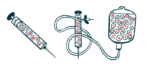
CK0803 does not require patients to be matched with a donor
Immune cells called regulatory T-cells help control inflammation and keep the immune system balanced. However, people with ALS often have fewer and less effective regulatory T-cells, which is thought to drive excessive inflammation that contributes to nerve cell death in ALS. Researchers believe that increasing the number or function of these immune cells could thus help ease the symptoms of ALS and slow disease progression.
CK0803 contains regulatory T-cells collected from donated umbilical cords. Unlike other cell-based therapies, CK0803 does not require patients to be matched with a donor, so it can be used as an off-the-shelf, or ready-to-use, therapy.
The regulatory T-cells are engineered to carry high levels of two proteins — CXCR3 and CD11a — which help them move to sites of active inflammation in the brain and spinal cord.
There, the cells are expected to suppress overly activated microglia and other inflammatory signaling pathways, while also releasing an anti-inflammatory protein called IL-10 to restore a healthier immune balance. Microglia are the brain and spinal cord’s resident immune cells. While they normally serve a protective function, their overactivation can contribute to nerve damage.
“By leveraging enriched, tissue-directed regulatory T-cells derived from healthy, allogeneic [donor], umbilical cord blood, our therapy actively homes to inflamed microglia,” Parmar explained. For Parmar, this targeted approach offers “transformative potential for neuroinflammatory diseases.”

Therapy appeared to slow disease progression
CK0803 is being tested in a Phase 1/1b clinical study called REGALS (NCT05695521), which is evaluating the therapy’s safety and preliminary efficacy in people with ALS.
A first group of six patients received up to nine infusions, each containing 100 million regulatory T-cells. Patients first received four weekly infusions, followed by five monthly infusions.
Published data from this small group of patients showed that CK0803 was well tolerated, with no dose-limiting toxicities.
The therapy also appeared to slow disease progression. Scores on the ALS Functional Rating Scale Revised — a standard measure of disease severity — had been declining (worsening) before treatment was initiated, but the rate of this decline slowed once participants received CK0803.
Blood tests showed about a 60% reduction in neurofilament light chain, a protein released into the blood when nerve cells are damaged, and about a 200% increase in IL-10 levels, supporting the company’s proposed mechanism of action for CK0803.
Last year, the FDA granted orphan drug designation to CK0803. Intended to encourage the development of new therapeutic options for rare diseases — those affecting fewer than 200,000 people in the U.S. — the designation provides incentives such as tax credits, exemptions from certain fees, and seven years of market exclusivity if the therapy is approved.
“Our priority remains the development of novel solutions that promise to reshape the landscape of modern medicine,” said Tara Sadeghi, chief operating officer at Cellenkos. “We are incredibly proud of the hard work our team has invested in advancing our pipeline, which stands as a testament to our ongoing mission to improve lives through rigorous, evidence-based innovation.”




Veena Nayak
Thank God
Rasheeda
I have been diagnosed with ALS since 2018 and there has been no progress in its treatment in India. My health is getting worse day by day. My husband is taking care of me.
Adriana
Quais são os procedimentos para que uma pessoa, portadora da doença ELA, tenha direito ao acesso a esse tratamento? Obrigada!
Leonardo Quilici
Será que vem tão logo a cura do ELA...estou muito preocupado.
Obrigado
Sachidanand R Peteru
Any contraindications such previous autoimmune disorders such as ulcerative colitis.