
New funding backs commercial readiness efforts for ALS therapy
Company plans manufacturing scale-up for experimental COYA 302
Written by |
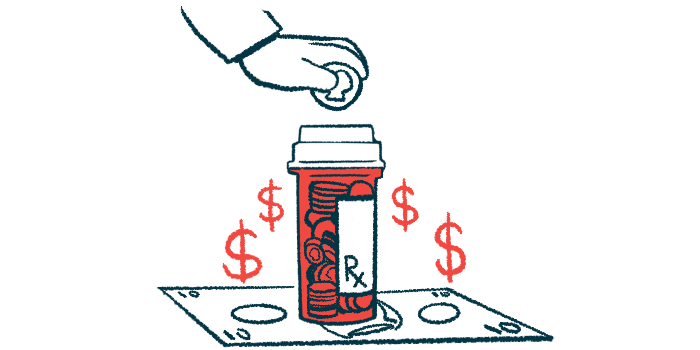
- Coya Therapeutics secured $11.1M to support commercial readiness for COYA 302, an experimental ALS therapy.
- COYA 302 is designed to rebalance immune activity that may contribute to inflammation in ALS.
- The funding will support manufacturing scale-up as COYA 302 moves through a Phase 2 ALS clinical trial.
Coya Therapeutics has raised about $11.1 million in a private investment round to support commercial-readiness efforts for COYA 302, its experimental immune-modulating therapy being developed for amyotrophic lateral sclerosis (ALS).
The funding was secured through the sale of more than 2.5 million company shares to two investors, the company said in a press release.
Dr. Reddy’s Laboratories, which under a prior agreement holds exclusive rights to commercialize COYA 302 in the U.S. and other major markets if the therapy is approved, contributed $10 million. Greenlight Capital, Coya’s largest shareholder, invested about $1.1 million.
According to the company, the deal was expected to close in late January, pending the satisfaction of standard closing conditions.

How the new investment will be used
Coya plans to use the proceeds to speed up technology transfer and scale up manufacturing of low-dose interleukin-2 (IL-2), one of the two components of COYA 302. The goal is to expand production capacity to support the therapy’s commercial readiness, according to the company.
ALS is marked by the progressive damage and death of motor neurons, the nerve cells that control voluntary movement. While the exact causes of ALS are not fully understood, growing evidence suggests inflammation and immune system dysfunction may play a role in disease progression.
COYA 302 combines low doses of the immune signaling molecule IL-2 with an immune-modulating treatment known as CTLA4-Ig. CTLA4-Ig is a biosimilar to abatacept, a therapy approved in the U.S. and Europe to treat certain types of arthritis.
Given as an injection under the skin (subcutaneous), the therapy is designed to help rebalance immune activity, which could potentially slow ALS progression. Low-dose IL-2 is intended to increase the activity of regulatory T-cells, which help control inflammation, while CTLA4-Ig is designed to dampen overactive immune signaling.
In a small, early proof-of-concept Phase 1 study involving four people with ALS, treatment with COYA 302 for nearly one year was associated with a slower rate of functional decline and changes in immune-related biomarkers. The therapy was generally well tolerated, with mostly mild side effects reported.
COYA 302 moves through clinical testing
The therapy is now being studied in the Phase 2 ALSTARS clinical trial (NCT07161999), which is running at sites in the U.S. and Canada.
The study is expected to enroll about 120 adults with either sporadic or familial ALS, who will be randomly assigned to receive one of two dose levels of COYA 302 or a placebo for about six months. Treatment will be given as a subcutaneous injection for five consecutive days every other week, and participants may continue receiving their standard ALS therapies during the study.
The main goal of the study is to determine whether COYA 302 may slow disease progression over the first six months, as measured by the ALS Functional Rating Scale-Revised (ALSFRS-R). Secondary outcomes include changes in blood levels of neurofilament light chain (NfL), a commonly used marker of nerve injury, as well as lung function and survival.
Participants who complete the randomized portion may be eligible to enter an extension phase, in which all will receive COYA 302 for an additional six months. The study is slated to run through 2027.


Leave a comment
Fill in the required fields to post. Your email address will not be published.